Wondering what it’s really like to live in San Luis Obispo? If you are trying to picture your day-to-day life here, you are not alone. San Luis Obispo offers a very specific mix of neighborhood character, outdoor access, and small-city convenience, and understanding how those pieces fit together can help you choose the right home and location with confidence. Let’s dive in.
Why San Luis Obispo Feels Different
San Luis Obispo is not a typical suburban market. The city describes itself as a compact community with pedestrian-oriented commercial areas and neighborhoods, which helps explain why so many parts of town feel connected and easy to navigate on a daily basis. According to the City of San Luis Obispo, the city is home to about 47,000 people, while the U.S. Census July 1, 2024 estimate puts the population at 49,729.
That smaller scale shapes the local rhythm. The city reports a mean travel time to work of 16.1 minutes, with 20,441 households and an average of 2.31 people per household. In practical terms, that means many errands, social plans, and outdoor activities can fit into a normal weekday without feeling like a major production.
Location also plays a big role in the lifestyle. San Luis Obispo sits west of the Santa Lucia Mountains and about eight miles east of the Pacific Ocean, with protected open space and agricultural land surrounding the city. The local climate is Mediterranean, with an average temperature of 70.2°F and about 19 inches of annual precipitation, according to official city climate materials.
San Luis Obispo Neighborhoods at a Glance
The city’s Neighborhood Officer Program divides San Luis Obispo into 13 neighborhoods. While every block can feel a little different, it helps to think about SLO in three broad groups: the historic core, near-downtown districts, and edge or hillside neighborhoods.
In general, close-in neighborhoods tend to offer more convenience, a stronger street-life feel, and easier access to local shops, dining, and events. Edge and hillside areas often trade some of that immediacy for more open-space adjacency, views, and trail access. That balance is one of the most important things to think about when choosing where to live.
Downtown and Historic Core
Downtown is the oldest part of the city and one of the most concentrated areas for historic sites. Nearby historic districts include Chinatown, Mill Street, Old Town, and Railroad, all of which contribute to the city’s strong sense of place, as outlined by the city’s historic preservation program.
If you want a lively, walkable setting, this area is often the starting point. Downtown includes turn-of-the-century buildings, shops, cafes, Mission Plaza, cultural stops, and the Thursday Farmers’ Market, according to Visit SLO. Living nearby can mean easier access to daily activities and community events, but in denser parts of town, details like parking can matter more.
Some neighborhoods near the core are also affected by residential parking permit districts. That does not make these areas less appealing, but it is one of those practical details worth understanding early if convenience is high on your list.
Railroad and Near-Downtown Areas
The Railroad District brings together character and connectivity. It has an old rail-town identity, along with pedestrian and bike pathways and access to Terrace Hill Open Space, based on local neighborhood information from Visit SLO. If you like being close to downtown without being in the middle of it, this area often stands out.
Near-downtown living can be a good fit if you want a home base that feels connected to the city’s historic texture and everyday energy. These neighborhoods often appeal to buyers who value being able to get around without relying on the car for every single outing.
Foothill and Laguna
Foothill and Laguna offer a different kind of convenience. Foothill sits along Highway 1 with quick access to Cal Poly and the coast, while Laguna works as a shopping and recreation hub with trails, Laguna Lake, a dog park, and golf, according to Visit SLO’s neighborhood overview.
For many buyers, these areas strike a practical middle ground. You may get solid access to errands, recreation, and major routes while still staying close to the city’s overall lifestyle appeal.
SLO South and Growth Areas
SLO South has a more mixed-use, commercial edge. The area includes breweries, tasting rooms, coffee spots, the Public Market, and proximity to the Sunset Drive-In, as described by Visit SLO.
This part of the city can feel more contemporary in its day-to-day experience. If you like having food, gathering spots, and newer commercial activity close by, SLO South may be worth a closer look.
The southwest edge of the city is also evolving. The Orcutt Area Specific Plan envisions a residential neighborhood at the base of Righetti Hill with up to 979 homes, including a mix of housing types, parks, and bike and pedestrian paths. That gives buyers another sign that San Luis Obispo is planning growth carefully rather than expanding without a clear framework.
Hillside and Perimeter Neighborhoods
If your priorities lean more toward views, topography, and open-space access, hillside and perimeter neighborhoods may be the better fit. These areas often feel more closely tied to the natural landscape that surrounds the city.
The city’s design guidelines show just how seriously San Luis Obispo treats hillside development. Those standards call for preserving the natural character of slopes, keeping buildings low profile, following natural contours, using native drought-tolerant low-combustion planting, and minimizing exterior lighting, based on the city’s community design guidelines. For buyers, that often translates into neighborhoods where the setting itself is a major part of the appeal.
What Homes Look Like in SLO
San Luis Obispo’s housing stock is varied, not one-note. The city’s housing element reports that as of 2019, about 46% of units were single-family detached, 7% single-family attached, 13% were multifamily buildings with two to four units, 27% were multifamily with five or more units, and 7% were mobile homes or other. That mix helps create more variety in both architecture and housing options across the city.
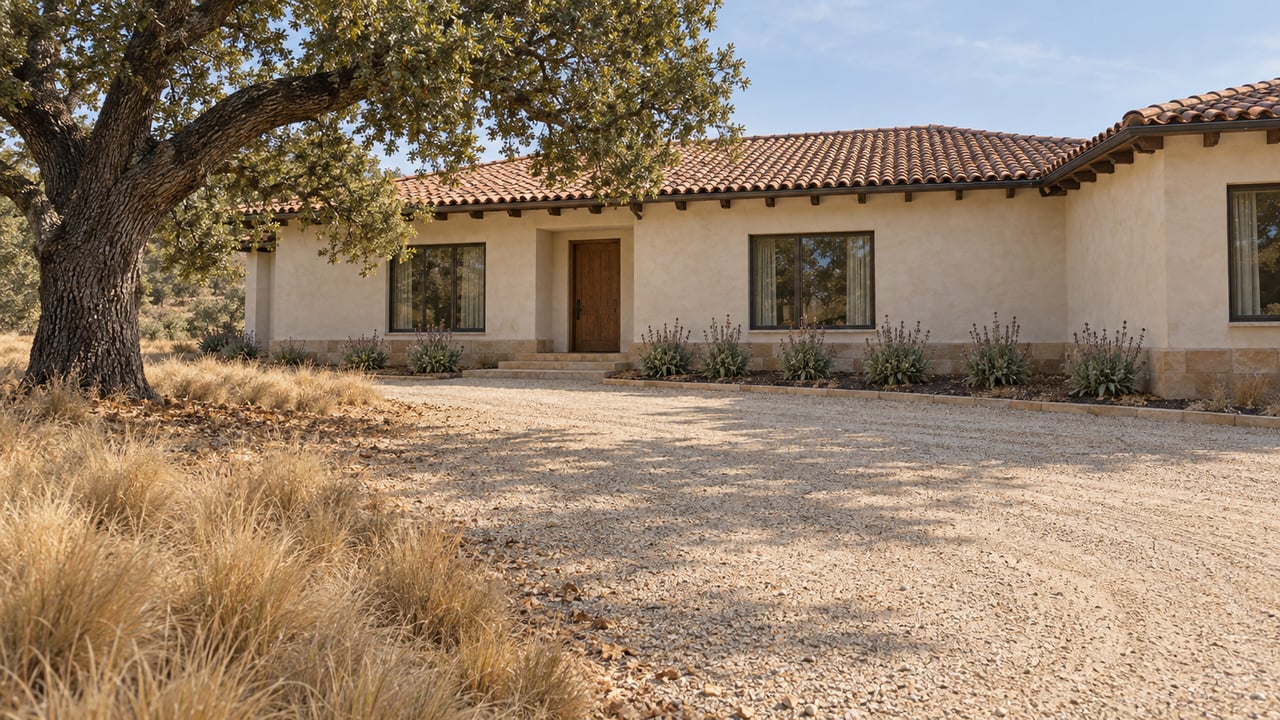
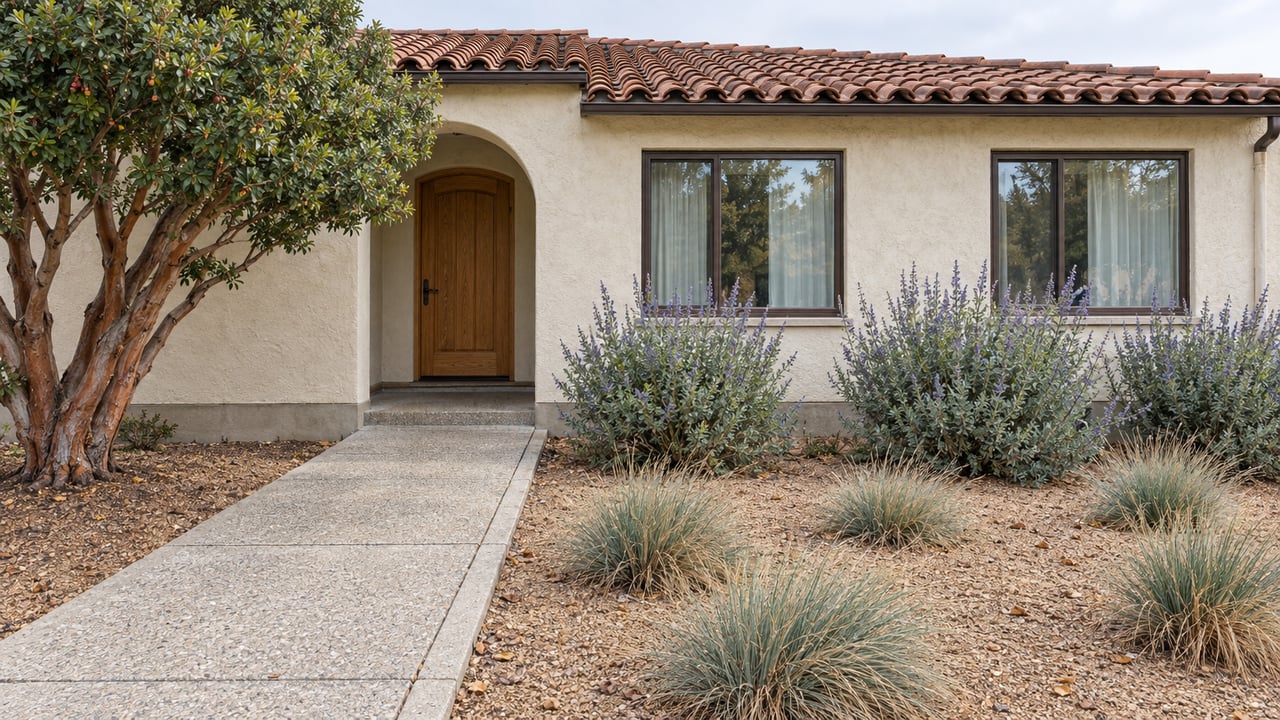
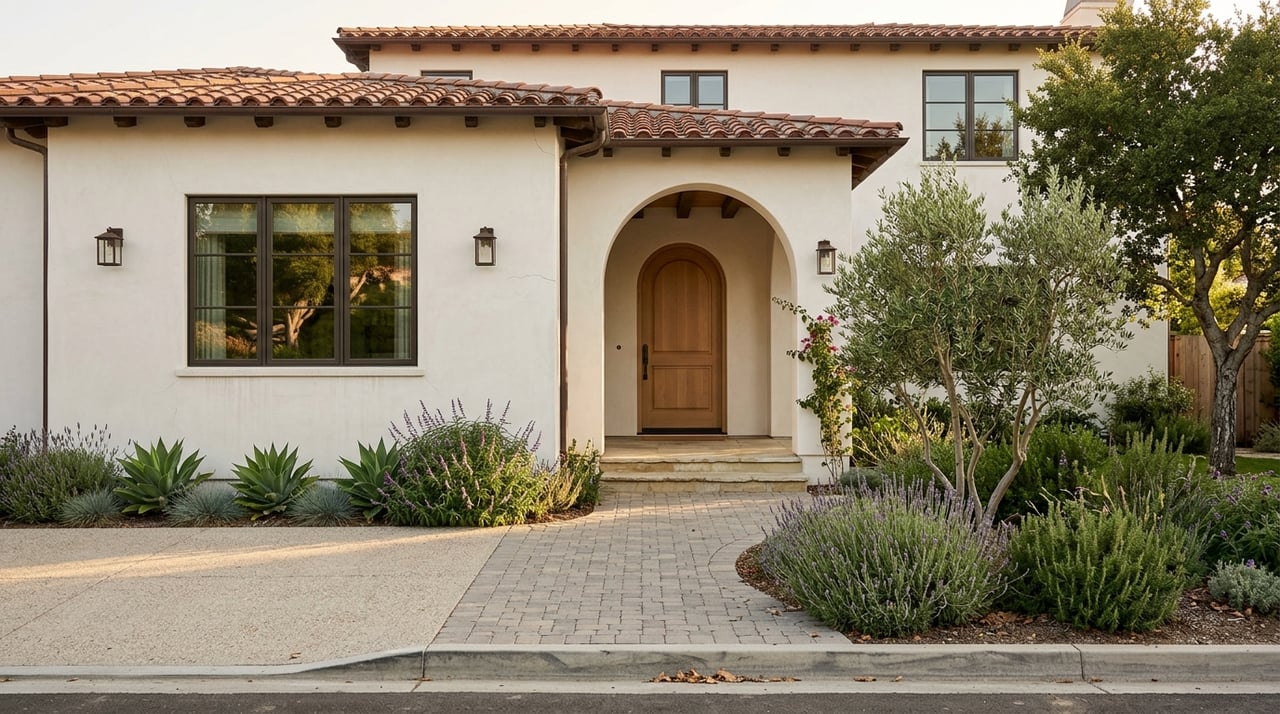
Older neighborhoods include a wide range of architectural styles. Depending on where you look, you may find Victorian, Craftsman, Mission Revival, Mediterranean, Tudor Revival, Spanish Colonial Revival, Spanish Eclectic, railroad vernacular, ranch, and contemporary homes. In the Mill Street district, the city specifically notes early 20th-century styles such as Tudor Revival, Craftsman, Mission Revival, Prairie Colonial Revival, and Shingle in its design and preservation materials.
If you are drawn to historic homes, it is important to know that preservation is active here. The city maintains a Historic Resources Map, uses the Mills Act tax incentive program, and applies preservation guidelines to alterations and new construction within historic districts through its historic preservation program. That can be a benefit if you value neighborhood continuity and long-term character.
What the Market Means for Buyers
Lifestyle is a huge part of SLO’s appeal, but so is realism about price point. According to the U.S. Census QuickFacts page for San Luis Obispo, the owner-occupied housing rate is 40.3%, the median owner-occupied home value is $935,100, and median gross rent is $1,965.
Those numbers matter because they help set expectations early. San Luis Obispo offers strong lifestyle value, but it is not typically considered an entry-level market. If you are shopping here, it helps to narrow your priorities quickly, especially around location, home style, commute pattern, and how much walkability matters in your daily life.
Getting Around Day to Day
For a smaller city, San Luis Obispo has a notably layered transportation network. The city says downtown is walkable and supported by pedestrian corridors, 230 miles of multi-use paths, and more than 60 miles of bike paths, bike lanes, and on-street bike facilities, according to the city’s transportation information.
Public transit is also part of the picture. SLO Transit runs fixed-route buses within the city and to Cal Poly, the Old SLO Trolley loops around Downtown and upper Monterey Street seasonally, and regional RTA buses connect other parts of the county into the city. The same city transportation page also notes access to the Amtrak station in the Railroad District, Greyhound service, and the regional airport south of the city limit.
What does that mean in real life? Close-in neighborhoods can often support a more car-light routine, while hillside and edge neighborhoods are usually better thought of as car-plus-walk, bike, or transit areas. Your ideal location depends less on one “best” neighborhood and more on how you want your week to work.
Outdoor Living Is Part of Daily Life
In San Luis Obispo, outdoor access is not just an extra. It is woven into daily living. The city’s trail resources describe 7,000 acres of designated open space, including Cerro San Luis, Bishop Peak, Johnson Ranch, Irish Hills, Laguna Lake, Islay Hill, South Hills, Terrace Hill, and Righetti Hill, all listed on the city’s trail maps page.
That kind of access shapes how people use the city. You may be looking at a home because of the floor plan or architecture, but many buyers end up choosing a neighborhood based just as much on which trailheads, lake areas, or open-space routes feel easiest to reach on a regular day.
Who San Luis Obispo Fits Best
San Luis Obispo tends to be a strong fit if you want a small-city lifestyle with outdoor access, local commercial districts, and a mix of historic and modern housing. It can also be a good match if you value distinct neighborhood identities rather than a place where everything feels interchangeable.
A simple way to think about fit is this:
- Downtown and nearby historic districts often appeal to buyers focused on walkability and character.
- Foothill and Laguna can work well if you want convenience for errands, recreation, or access to Cal Poly and Highway 1.
- Railroad and SLO South may suit buyers looking for an edge-of-downtown or mixed-use feel.
- Hillside and perimeter neighborhoods are often a better match if views, slopes, and trail access matter more than immediate walkability.
If you are trying to sort through those options, local perspective makes a real difference. The right choice is usually not just about price or square footage. It is about how a neighborhood supports the way you actually want to live.
If you are thinking about buying or selling in San Luis Obispo, Darsie and John Cole can help you compare neighborhoods, understand local housing options, and make a confident move with clear, thoughtful guidance.
FAQs
What is daily life like in San Luis Obispo?
- Daily life in San Luis Obispo tends to feel convenient and outdoors-oriented, with short commutes, a compact city layout, walkable areas, and easy access to trails and open space.
What types of homes are common in San Luis Obispo?
- San Luis Obispo has a mix of single-family homes, attached homes, multifamily properties, and some mobile homes, along with architectural styles ranging from Victorian and Craftsman to ranch and contemporary.
Which San Luis Obispo neighborhoods are most walkable?
- Downtown and nearby historic districts generally offer the strongest walkability, along with close access to shops, cafes, community events, and other day-to-day destinations.
Are there historic homes in San Luis Obispo?
- Yes, San Luis Obispo has several historic districts and a wide range of preserved older homes, and the city applies historic-preservation guidelines in those areas.
Is San Luis Obispo an affordable housing market?
- San Luis Obispo is generally not considered an entry-level market, with Census figures showing a median owner-occupied home value of $935,100.
How do people get around San Luis Obispo?
- Many residents drive for at least part of their routine, but the city also offers walkable districts, bike infrastructure, local transit, regional bus connections, Amtrak access, and a regional airport nearby.