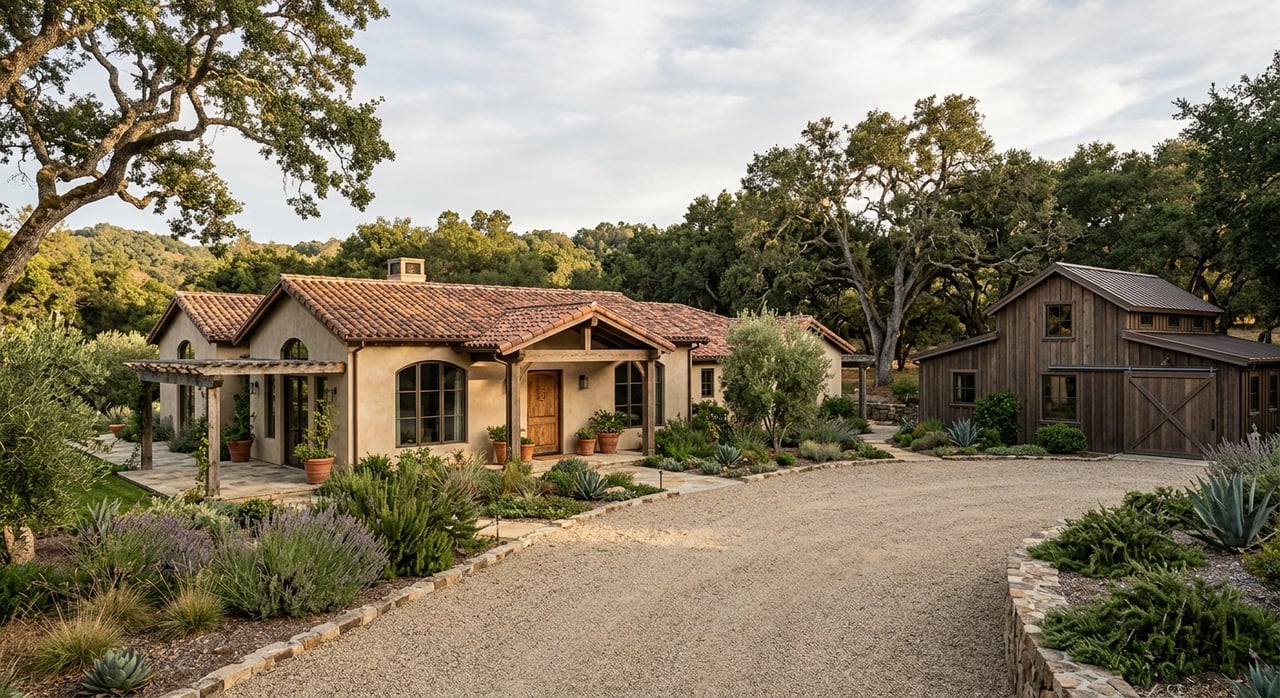
If you are thinking about buying acreage or ranch property in Nipomo, you already know this is not the same as buying a standard house on a neighborhood lot. Land can offer space, flexibility, and long-term potential, but it also comes with more moving parts. This guide will help you understand what to look for, what questions to ask, and how to approach Nipomo acreage with more confidence. Let’s dive in.
Acreage in Nipomo Means Different Things
One of the most important things to understand is that “acreage” in Nipomo is not one simple property type. The local market includes smaller parcels, rural residential lots, and larger agricultural holdings, all with different planning and utility considerations.
County planning shows common patterns such as one-acre parcels near Tefft Street and Pomeroy Road, a 2.5-acre transition area west of Osage Road, and five-acre Residential Rural density outside the urban reserve line. County agricultural planning also allows for much larger land-use ranges depending on soils and agricultural operations.
That means two properties that both sound like “land” can function very differently in real life. In a current market snapshot, local land listings ranged from 0.45 acres to 47.3 acres, which shows just how broad the Nipomo land market can be.
Start With Zoning, Not Just Size
When you are comparing acreage, parcel size matters, but zoning and utility setup usually matter more. A five-acre parcel may sound ideal until you learn it cannot support the improvements or uses you want without additional approvals.
Before you get attached to a property, confirm the zoning, whether the parcel is in the Inland Area or Coastal Zone, and whether planning-area standards or combining designations apply. Recorded map conditions can also add limits that are not obvious from a listing description.
The county advises buyers to use the APN, check the Land Use View map, review recorded maps, and talk with a planner. In some cases, a land-use permit may be required before a building permit.
Common parcel types buyers compare
- 1-acre parcels often appear in more suburban-style pockets
- 2.5-acre parcels can act as a transition between suburban and rural uses
- 5-acre parcels are a common Residential Rural benchmark outside the urban reserve line
- Larger agricultural holdings may follow very different planning standards based on soils and operations
Water and Sewer Can Change Everything
For most acreage buyers in Nipomo, the biggest practical question is how the property gets water and handles wastewater. This affects cost, day-to-day use, future building plans, and your overall ownership experience.
The key distinction is whether the parcel can connect to Nipomo Community Services District services or whether it must rely on a private well and an onsite wastewater treatment system, also called an OWTS. NCSD says it operates one water system and two sewer systems within defined boundaries and is currently accepting applications within those boundaries.
NCSD’s water supply includes both surface water and groundwater, with five operational wells and purchased water through the Nipomo Supplemental Water Project. In some one-acre areas, the county notes that properties use a private community water company, while other one-acre areas use NCSD water.
Larger parcels outside district boundaries are generally expected to continue using individual wells and septic systems. That difference can shape everything from monthly utility expectations to what kind of future improvements may be possible.
What private well ownership means
If a property uses a private well, the county states that the water is not regulated or monitored by an outside agency. As the owner, you are responsible for testing and safety.
New wells require county approval and must be installed by a C-57 licensed well driller. If you are buying land with plans to improve it later, this is an area where early due diligence matters.
Septic and OWTS rules matter too
If the parcel is not on sewer, the OWTS system becomes a major part of your review. The county’s OWTS program is designed to protect groundwater and surface water from contamination, and site conditions can affect what is allowed.
For subdivision planning, the county’s Local Agency Management Program says the minimum parcel size for onsite wastewater treatment systems and onsite wells is 2.5 acres, while planning-area and zoning standards still apply. This does not mean every 2.5-acre parcel will automatically support your plans, but it does show why smaller land purchases need careful review.
Plan for Irrigation and Outdoor Water Use
Acreage often means more outdoor space to maintain, and that makes water planning even more important. Whether you want landscaping, animal areas, gardens, or a more natural low-water setup, your water source should match your goals.
NCSD says summer demand increases by 300%, and more than half of household water use in California typically goes to landscaping and other outdoor use. On a larger parcel, that can quickly affect both design choices and operating costs.
As you evaluate a property, think beyond the house itself. Meter size, irrigation planning, and landscape design all deserve attention when you are buying acreage in Nipomo.
Outbuildings and Shops Need a Closer Look
Many acreage buyers want more than just open land. You may be picturing a barn, workshop, detached garage, storage building, or equipment space. In Nipomo, those improvements may be possible, but the permit path matters.
A detached shed under 120 square feet, with no utilities and under 12 feet in height, does not require a construction permit, though setbacks still apply. That is useful for small utility storage, but most buyers looking at ranch property want something more substantial.
A detached garage may not exceed 1,000 square feet per dwelling unit unless a Minor Use Permit is approved. Detached workshops are also regulated as accessory uses, so it is smart to confirm standards before assuming an existing or future structure will work for your plans.
Agricultural accessory buildings
The county also recognizes agricultural accessory buildings. Certain agricultural buildings may be exempt from a building permit if they meet county criteria, though separate construction or grading permits may still be required.
County agriculture definitions include barns, grain elevators, silos, and similar structures. If you are buying a property for agricultural or light ranch use, that can open helpful options, but only if the parcel and proposed use align with county rules.
Animal Use Depends on the Property Setup
If part of your goal is to keep animals, Nipomo can be appealing, but you will still need to verify the specific parcel. County rules address both incidental and principal animal use, and specialized facilities can include horse ranches, horse boarding, and riding lessons.
That means some properties may work for hobby livestock, equestrian use, or light ranch functions when zoning and site conditions allow. The right fit depends on more than acreage alone.
As you evaluate a property, ask whether the land has the access, setbacks, water supply, and improvement potential needed for the type of animal use you want. This step can save you time, money, and frustration later.
ADUs and Guest Space May Be Possible
Extra living space is often a major reason buyers look at acreage. You may want room for extended household use, guests, or a more flexible property layout over time.
County ADU rules allow accessory dwelling units in AG, RR, RL, and several residential categories. Under the county’s 2025 update, a single-family parcel may allow up to three ADUs plus one guesthouse, subject to public health and safety rules.
A guesthouse is accessory sleeping or home-office space without an indoor connection to the main residence. An ADU is a complete independent living unit.
If a parcel will use community water or sewer, county ADU rules require a will-serve letter. If it uses onsite septic, the county may require a well test and lot-size review.
Your Nipomo Acreage Due Diligence Checklist
Before you write an offer, it helps to review acreage with a more detailed checklist than you would use for a typical home purchase. Small details can have a big impact on how you use the property.
Key items to verify
- Parcel identification: Confirm the APN and whether the property includes more than one parcel number
- Zoning and overlays: Check zoning, planning-area standards, combining designations, and whether the parcel is in the Inland Area or Coastal Zone
- Utilities: Find out if the parcel is within NCSD service boundaries or relies on a private well and OWTS
- Water details: If a well is involved, ask about testing, production history, and any needed approvals for future work
- Wastewater setup: Review septic or OWTS status and whether the site can support your intended use
- Structures and future plans: Confirm whether your desired barn, shop, garage, horse setup, or ADU is likely to fit zoning and site standards
- Access and easements: Review recorded maps, easements, property-line distances, and any site constraints
- Fire considerations: Check whether wildfire review may apply and whether the parcel falls within a Fire Hazard Severity Zone
Fire Review Is Part of Rural Planning
With acreage property, fire planning is often part of the conversation. In 2025, county fire adopted Fire Hazard Severity Zones for unincorporated San Luis Obispo County.
CAL FIRE guidance for defensible space starts with the first 5 feet around structures and extends to 100 feet. If you are considering a rural or semi-rural parcel, this can affect how you think about building placement, vegetation, and ongoing property maintenance.
Build the Right Team Early
Buying acreage in Nipomo usually takes a broader team than buying a standard house. The more complex the property, the more important it is to involve the right professionals early.
At minimum, buyers should expect to work with county planning staff, a C-57 licensed well driller if a well is involved, and a licensed septic installer or engineer if the parcel is not sewered. For larger projects, a contractor or architect or engineer may also be needed.
In some cases, a surveyor or title professional can also be valuable when easements, parcel boundaries, or recorded map conditions need to be sorted out. A property that looks simple from the road may have layers of technical review behind it.
Why Local Guidance Matters
Nipomo acreage can be incredibly rewarding to own, but it asks more from buyers on the front end. You are not just buying square footage. You are buying a specific combination of zoning, utilities, access, water, land use, and future flexibility.
That is why local experience matters so much. When you have guidance from people who understand San Luis Obispo County property patterns, rural land questions, and the practical side of due diligence, you can move forward with more clarity.
If you are considering acreage or ranch property in Nipomo and want thoughtful, local guidance, reach out to Darsie and John Cole. Their deep Central Coast roots, land knowledge, and calm, practical approach can help you evaluate opportunities with confidence.
FAQs
What parcel sizes are common for acreage property in Nipomo?
- Buyers often compare 1-acre parcels, 2.5-acre transition parcels, 5-acre Residential Rural parcels, and larger agricultural holdings, depending on location and zoning.
What utilities should buyers check on a Nipomo acreage property?
- You should confirm whether the parcel is within Nipomo Community Services District boundaries for water and sewer or whether it relies on a private well and an onsite wastewater treatment system.
What does OWTS mean for a Nipomo land purchase?
- OWTS stands for onsite wastewater treatment system, which is the county term for a septic system.
Can you build a barn or workshop on Nipomo ranch property?
- Possibly, but it depends on zoning, setbacks, permit requirements, and whether the site can support the intended structure or use.
Can a Nipomo acreage property have an ADU?
- In many cases yes, since county rules allow ADUs in AG, RR, RL, and several residential categories, subject to public health and safety standards.
What is a will-serve letter for a Nipomo property?
- It is utility confirmation that water or sewer service is available, and it may be required for certain ADU applications on properties using community utility service.
What should buyers verify before buying rural property in Nipomo?
- You should review the APN, zoning, overlays, utilities, easements, recorded map conditions, wastewater setup, water source, and any fire-related site considerations.
Why is water planning so important for Nipomo acreage?
- Water use can rise significantly in summer, and outdoor irrigation often accounts for a large share of household water use, so source, capacity, and landscape planning matter on larger parcels.