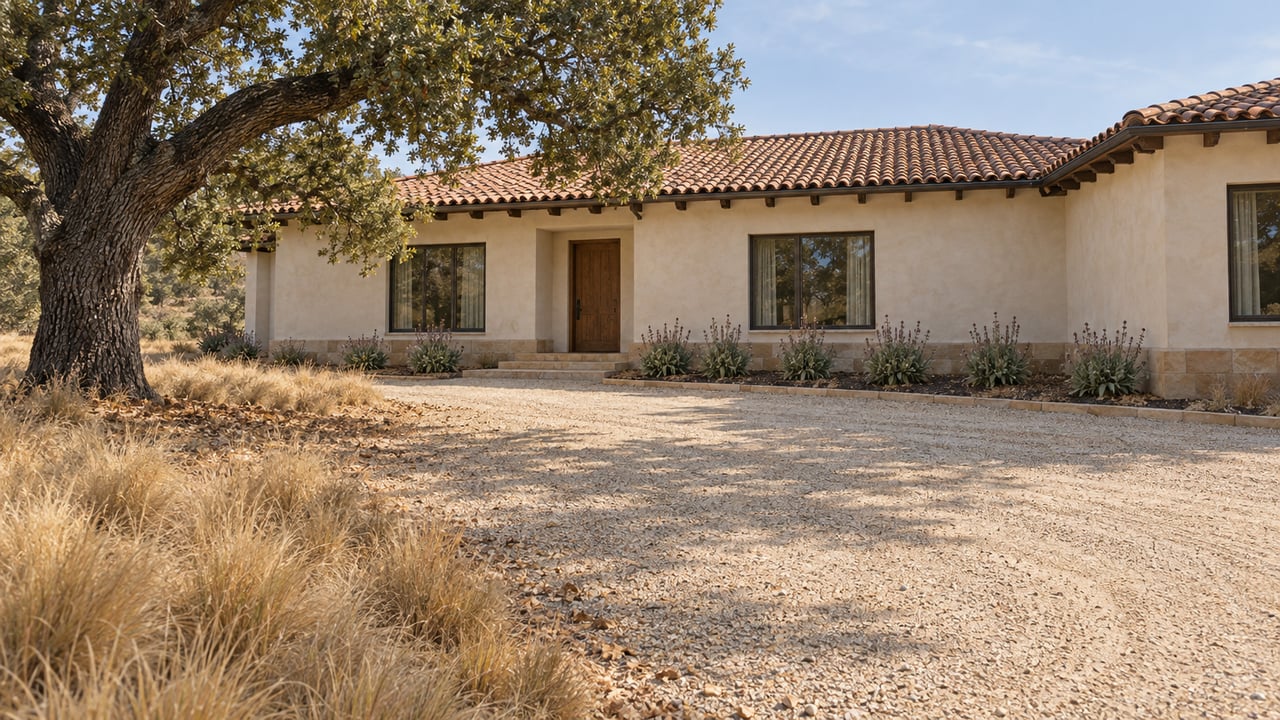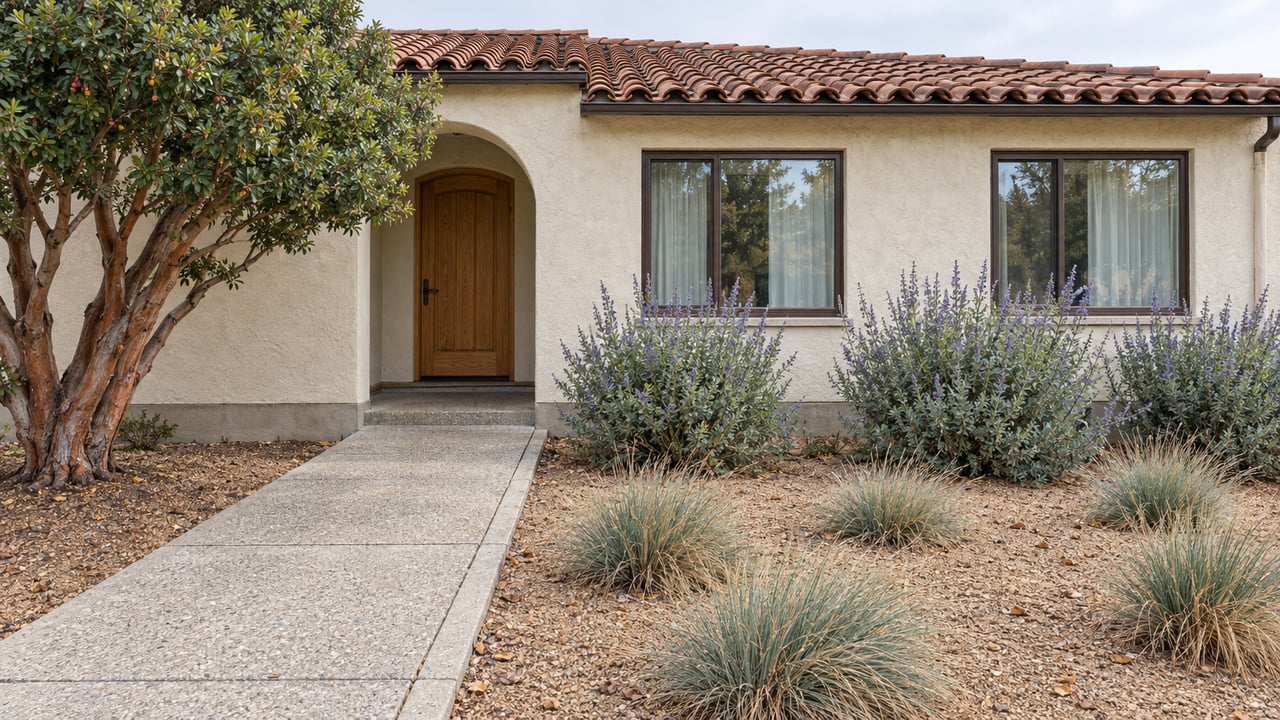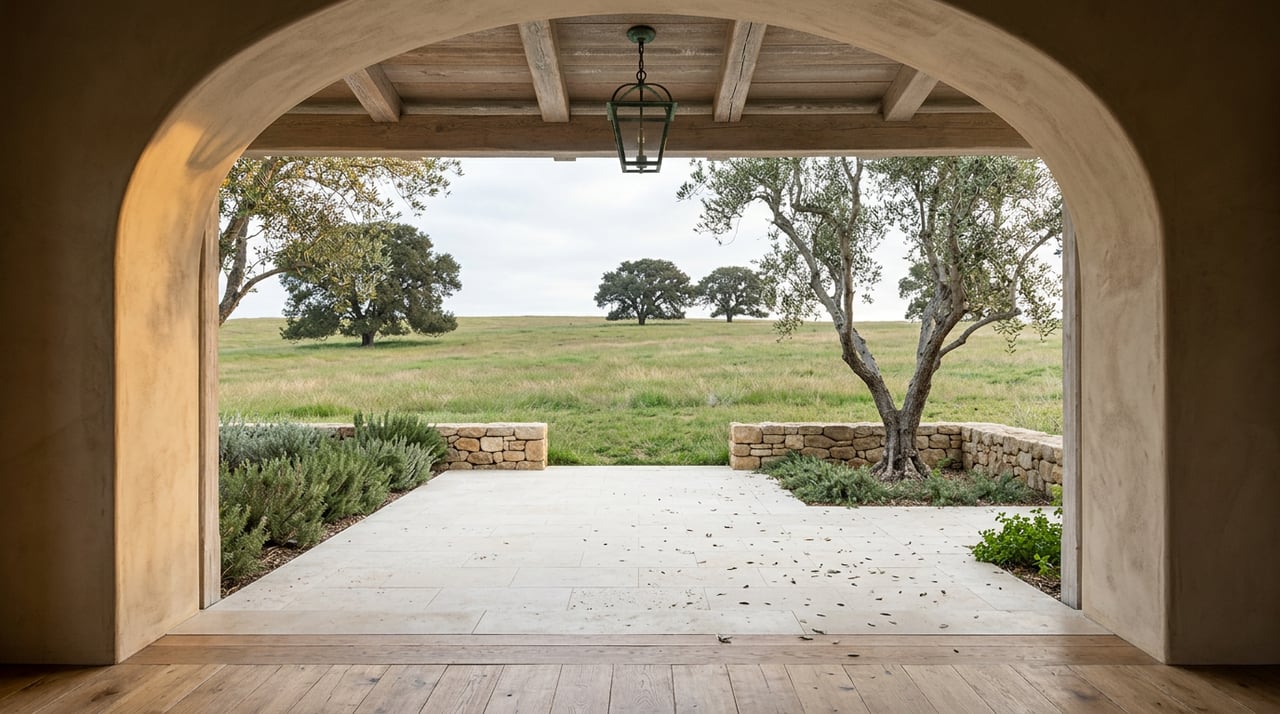
An 80-acre parcel off Huasna Road went on the market this year at $899,000. A new well is already in, and the ranch roads are graded and ready to use.
That price is higher than the median home sale inside Arroyo Grande city limits over the same stretch of 2026. Although its asking price is above the median sale price, it is below the $960,000 average house price, making the ranch look like the better deal on paper. In practice, the two properties aren't competing for the same buyer, and the sticker price on the acreage is doing something the in-town listing price never has to do: it can obscure the cost of infrastructure the property still needs.
The Same Money, Three Different Products
Arroyo Grande's in-town housing market has moved in a fairly narrow band this year. Redfin's data for the three months ending May 2026 put the median sale price at $849,000, and the average house price as of July 2026 was $960,000. Zillow's average home value as of June 2026 sat just over $1.04 million, and by September 2026 the median list price had climbed to $1.19 million. Those numbers don't disagree so much as measure different things at different moments, but they cluster in the same general range, and homes in that range are moving at a predictable pace: an average of 24 days on market as of July 2026, up slightly from 22 days the year before, with 48 homes sold in May 2026 compared to 36 the year prior.
Raw acreage east of town runs on a different clock entirely. A 64-acre parcel farther out Huasna Road, zoned AG with a well already in place, sat active in the MLS for 166 days before it found a buyer. That's not a sign the land was overpriced. It's a sign the buyer pool for AG-zoned acreage is smaller and more patient than the buyer pool for a three-bedroom house with municipal water.
The house buys you infrastructure the city already finished. The acreage may come with some of that work done, but often leaves more to finish yourself.
What "AG Zoning" Actually Asks You to Build
A house in town comes with water, sewer, and a paved road already resolved before it's ever listed. Land zoned AG east of Arroyo Grande can come with less infrastructure than a house in town, and the listings make the gap explicit if you read past the acreage and the view.
A 16.41-acre property on Huasna Townsite Road, built in 1982, runs on a septic tank and a private well, with access via an unpaved county road. Farther down Huasna Road, a 40.49-acre parcel sold with a manufactured home, a guest house, an EV charger, a garden, fruit trees, and a chicken coop, seven miles from the Village and a few minutes from Branch Elementary. That one closed at $2.59 million, which is a reminder that acreage prices swing widely depending on whether the well, septic, and structures are already finished or still ahead of the next owner.
The most complete illustration of what "self-built infrastructure" looks like at full scale is the historic Rotta Ranch on Huasna Townsite Road. Its water comes from a domestic well, a windmill, and two agricultural wells, stored across two ponds, distributed to the lower fields through underground piping. More than thirteen pastures are cross-fenced. The improvements include pipe corrals, a livestock scale, covered hay storage, a metal shop, an equipment shed, a saddle shed, and a bunk house, alongside a 2,398-square-foot owner's residence and a 1,005-square-foot guest home. None of that arrived with the land. Someone built it, piece by piece, over years, and its presence is exactly why that property commands what it does.
If you're evaluating raw acreage east of town, the questions worth asking before you write an offer aren't about the view:
- Is there an existing well, and does it have a well report showing tested yield?
- What is the septic situation, and has it ever been inspected or permitted?
- Is the road access via a maintained county road, or does it depend on an easement or unimproved surface?
- Does the parcel's zoning allow the number of structures you're planning, and are there existing CC&Rs?
The County Line You Can't See From the Road
Here's where the comparison gets one more layer of friction that a portal search bar won't show you. ZIP code 93420 covers both the incorporated city of Arroyo Grande and large stretches of unincorporated San Luis Obispo County, including the Huasna Valley, the Huasna-Lopez corridor, and Los Berros. An address that reads "Arroyo Grande" on the listing can sit entirely outside city jurisdiction.
That distinction decides who signs off on your well permit, your septic system, and your building plans. Inside the city, that's the Community Development Department. Outside it, in the unincorporated county, it's the county's Planning and Building department. Two buyers can each be shopping for "land in Arroyo Grande" and end up dealing with two entirely different permitting authorities, with different timelines and different standards, depending on which side of an invisible line their parcel falls on. It's worth confirming jurisdiction before you get attached to a specific piece of ground, not after.
The Third Option: Paying Someone Else to Solve It First
Between the finished in-town house and the raw AG parcel sits a third product that most buyers comparing "house versus land" never consider: a private, gated development where someone has already solved the infrastructure problem and sold you the result at a premium.
Las Ventanas, on the east side of Arroyo Grande, is built around a formal gated entrance designed by RRM Design Group and constructed by J.W. Design & Construction. Individual lots inside run larger than a typical in-town parcel. One recent build there sits on 2.2 acres, where the Isaman Design team completed a 4,430-square-foot modern farmhouse. It's a short drive from the historic Village, and its neighbors include Tally Farms and Tally Vineyards, a family operation that grows roughly forty varieties of vegetables and delivers them locally alongside its own wine.
A lot inside a development like this isn't competing on the same terms as the raw 80 acres off Huasna Road. You're not taking on those same raw-land infrastructure questions. You're buying into a covenant-governed community where the site work, the entrance, and the design standards are already set, and you're paying for that certainty the same way an in-town buyer pays for municipal water and a paved street.
What This Means If You're Comparing Both
The $899,000 ranch and the $960,000 in-town house aren't really priced against each other, even though a search filtered by price alone will put them side by side. One buys you a finished product inside city limits, with a shorter runway to closing and a well-worn permitting path. The other buys you acreage with a well and graded roads already in place, county jurisdiction, and the freedom, and the responsibility, to evaluate its remaining infrastructure needs. The gated third option splits the difference, at a price that reflects however much of that work has already been done for you.
None of that makes one path better than the others. It makes them different products wearing the same city name, and worth pricing accordingly before you write an offer on either one.
If you're weighing an in-town home against acreage east of Arroyo Grande, or you just want a clearer read on what your current property is worth in this market, the team at SLO Cole has spent years working both sides of that line, from Village lots to ranch parcels off Huasna Road. Reach out for a free home valuation and a straight answer about what you're actually comparing.
This article is general information, not legal, tax or financial advice. Consult a qualified professional about your situation.