Say the word "Oceano" to someone who has never been here and you'll usually get one of two reactions: a blank stare, or a mental image of dune buggies roaring over sand at the edge of the Pacific. That second image isn't wrong, exactly. The Oceano Dunes State Vehicular Recreation Area is real, it draws visitors from across the state, and this spring it even closed for six weeks after a federal court ruling tied to the western snowy plover, before reopening in late May.
But that image also isn't what a Saturday actually looks like for the people who live here. A longtime resident described Oceano as pedestrian-friendly in a Santa Maria Times report, noting that you can walk from one end of the community to the other. That's not a marketing line. It's a description of how this town is built: small enough that Front Street, Pier Avenue, the lagoon, and the edge of the dunes are all within a walk of each other, no vehicle required.
That's the thing worth understanding about Oceano. The town's reputation runs on engines. Its daily rhythm runs on foot traffic.
A Food Row Short Enough to Walk Twice
Pier Avenue is not a long strip, and that's part of what makes it work. You can cover the whole thing on foot in the time it takes to decide what you're in the mood for.
Pier St. Deli, at 325 Pier Avenue, has built a following on sandwiches and burgers people talk about ordering again. Down the road, Deltina Coffee Roasters handles the morning shift, and Dune Side Deli covers the to-go picnic crowd, the kind of order you carry straight to the beach rather than eat at a table. Beyond that short stretch, the current local favorites list runs through a genuinely varied set of names: La Chingada, Ember, Slappys Chowder House, Old Juan's Cantina, Pono Pacific Kitchen, Lumpia Bros Cafe, and Pier 101 Seafood. That's Mexican, chowder, Hawaiian-leaning plates, and Filipino food, all within a few minutes of each other, in a town small enough that most of these spots know their regulars by order.
The point isn't that Oceano has more restaurants than a bigger town. It doesn't. The point is that the ones it has are close enough together that choosing where to eat on a Saturday isn't really a driving decision. It's a walking one.
The Walk That Doesn't Need a Car
Head the other direction from Pier Avenue and the town turns into trail. The Meadow Creek Trail is an easy 1.4-mile out and back that starts near the Monarch Butterfly Grove area and runs over a boardwalk across the dunes to the beach, flat the whole way, doable in well under an hour. It's the kind of route locals use as a stretch-your-legs habit rather than a destination hike, and it deposits you on open coastline without a parking lot in sight.
Time it right and that walk turns into something more specific. Western monarch butterflies overwinter in the eucalyptus and cypress trees near the grove roughly from late October through February, clustering in the branches during cold mornings and lifting into flight on sunny afternoons. Docents lead talks during the season and a small mercantile trailer stays open for visitors who want to linger. It's free, it's outdoors, and it's the rare piece of natural spectacle that shows up on your own street rather than requiring a trip.
As for the dunes themselves, access for walking along the beach never actually stopped, even during this spring's closure to off-highway vehicles and camping. What paused was the motorized side. If your version of a Saturday afternoon has always been the boardwalk out to open sand rather than a truck loaded with OHVs, the last few months barely touched your routine at all.
The Lagoon Behind Everything
Fewer visitors know about Oceano Lagoon, which is exactly why it stays quiet. It's a freshwater spot tucked behind the beach-facing side of town, and it rewards anglers with bass and bluegill rather than anything you'd catch off the pier. No boat required, no crowd to compete with, just a platform and patience. It's the kind of place that never shows up on a highlight reel of Central Coast recreation because it isn't trying to be a destination. It's a local's answer to "where do you actually go on a slow afternoon," and the answer is: not far.
Depot Days
If there's a single building that captures how Oceano holds onto its own history, it's the Oceano Train Depot at 1650 Front Street. The original depot went up in 1896, burned down in a 1903 fire, and was rebuilt by Southern Pacific Railroad on the same spot, the same building still standing today. By 1973 the building was slated for demolition until the Oceano Improvement Association stepped in to save it, and it now runs as a volunteer-staffed museum with two full-sized historic train cars and interpretive displays inside.
It's also become something more active than a museum piece. The Oceano Seabreeze Market sets up there on a monthly basis, mixing local food vendors, drinks, and live music with the depot's back patio as the gathering spot, and the depot hosts model railroad show weekends each April and October that pull in enthusiasts from around the region. None of this requires a car either. It's a five, ten, maybe fifteen minute walk from most of Old Town, which in Oceano terms means it's basically next door.
The Version That Doesn't Make the Postcard
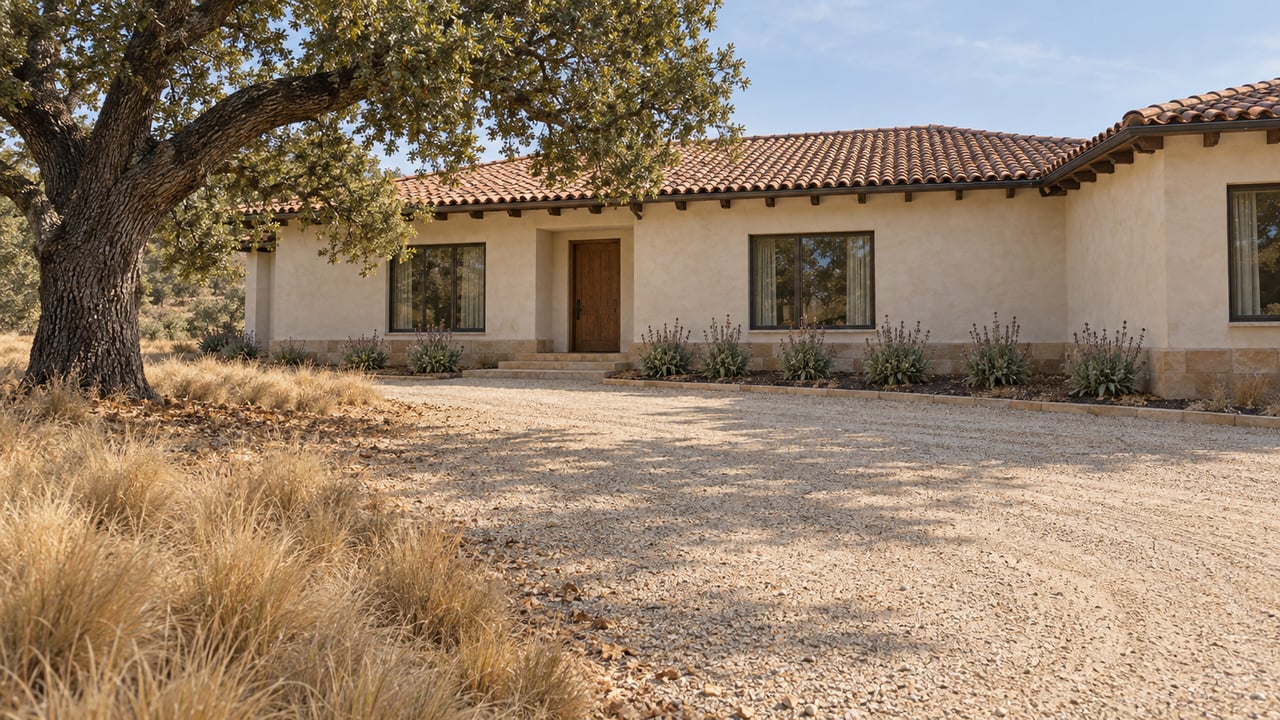
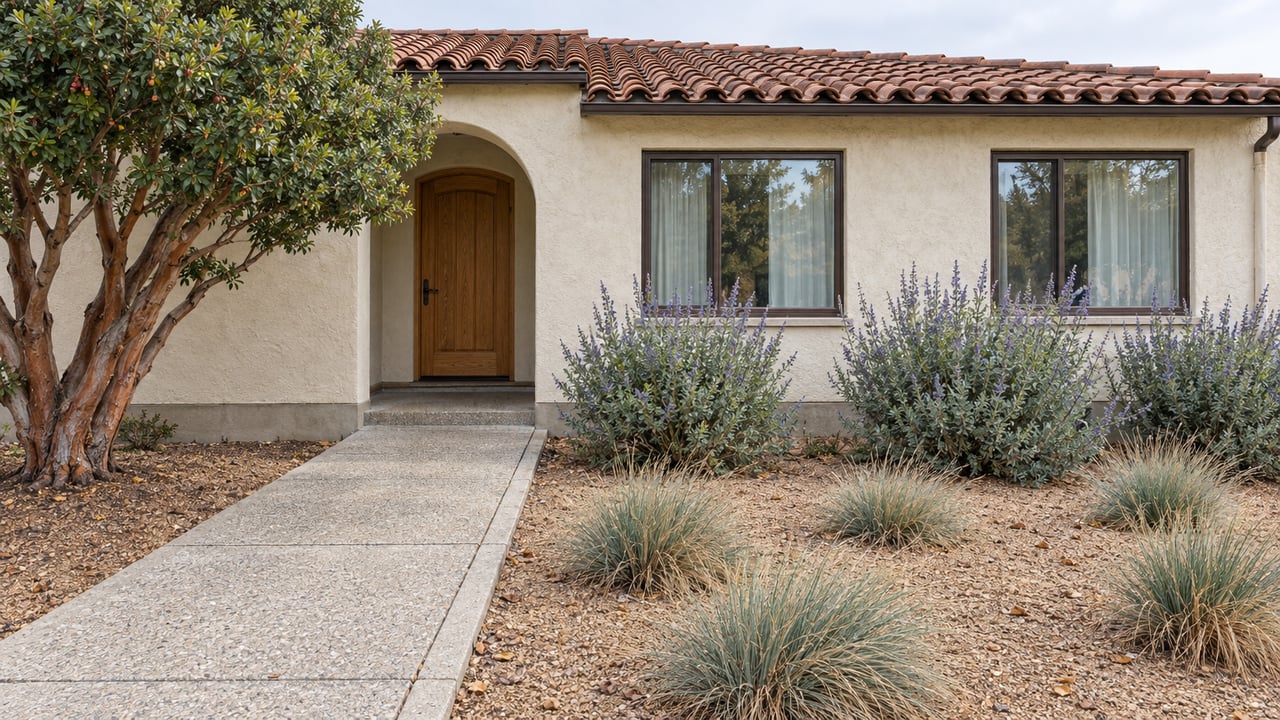
None of this is meant to argue that the dunes don't matter to Oceano. They do, both as a recreational identity and, by most local accounts, as a real economic driver for businesses near the Pier Avenue entrance. But if you live here, or you're picturing what living here might feel like, the more accurate mental map isn't dune buggies and horsepower. It's a short walk down Pier Avenue for a sandwich, a longer walk out to the boardwalk when the butterflies are in season, a quiet afternoon at the lagoon with a rod and nobody around, and a Saturday at the depot when the market's in town.
That's not the version of Oceano that ends up in travel write-ups about California's dune coast. It's the version that actually fills a weekend if you already call this town home.
If you're weighing what a home in Oceano is actually worth in today's market, or thinking about where a move here might fit into your own routine, Darsie and John Cole know this stretch of the Central Coast block by block. Reach out anytime for a straightforward, no-pressure home valuation.