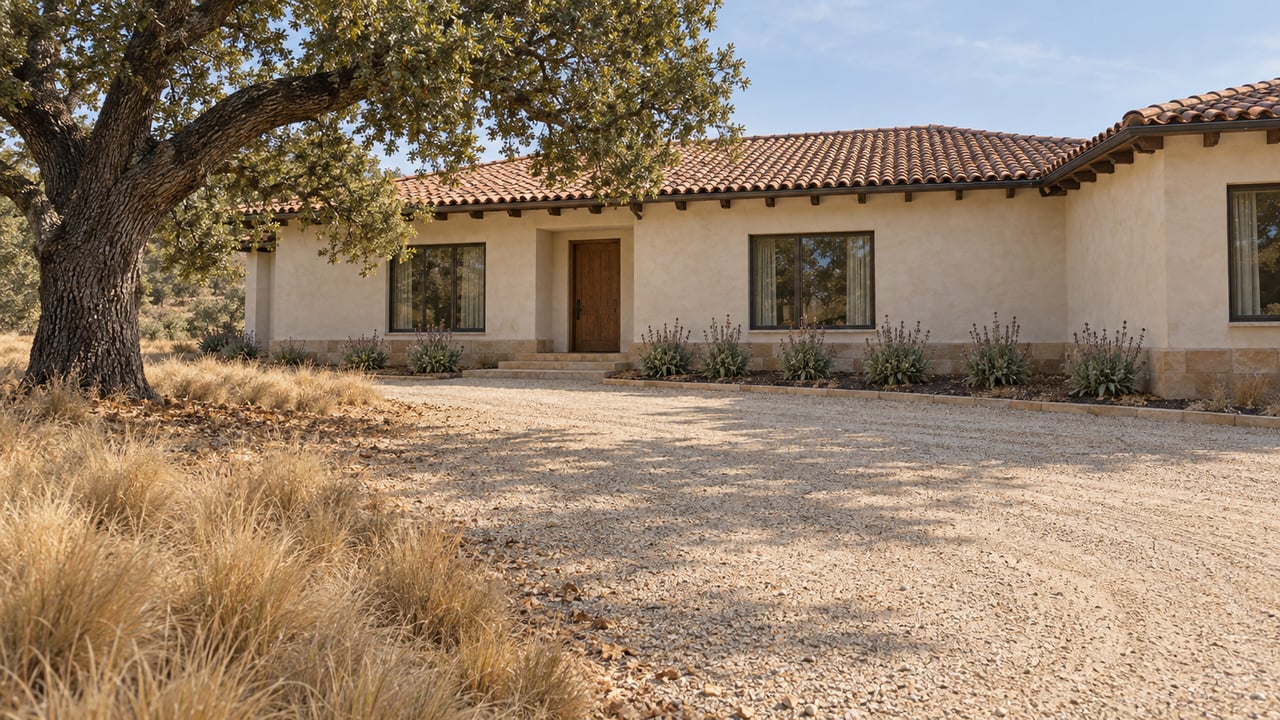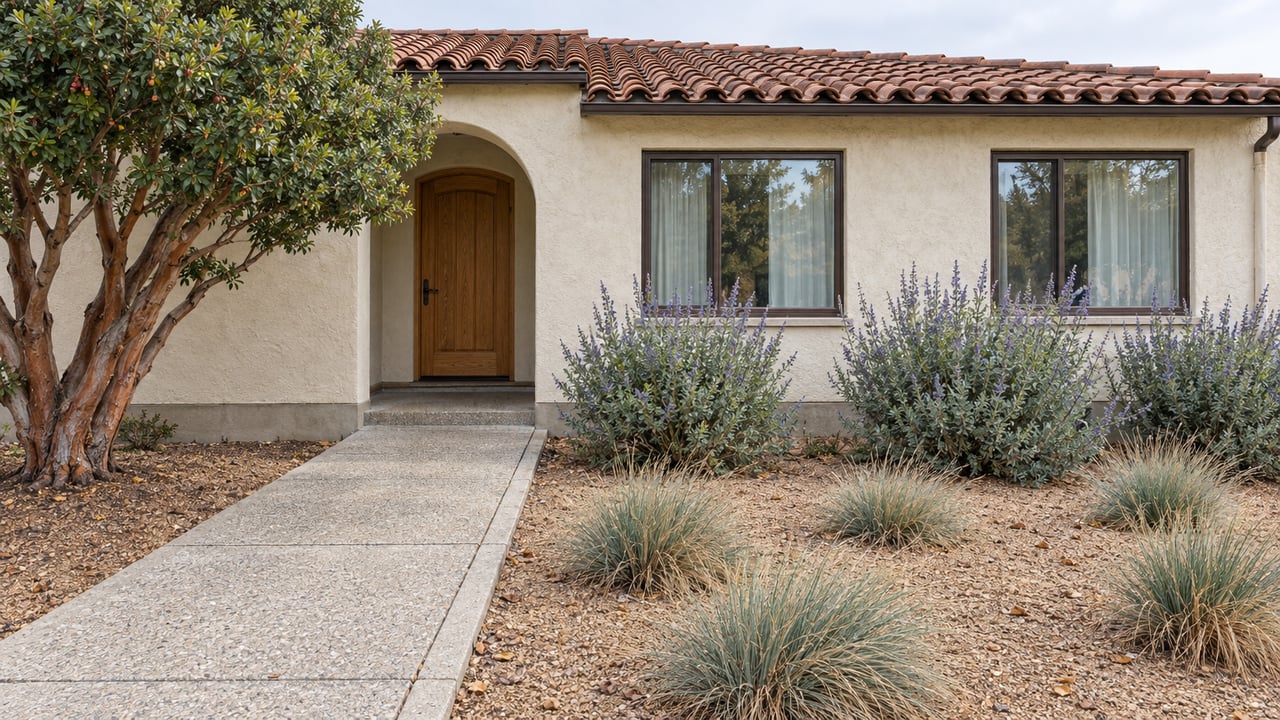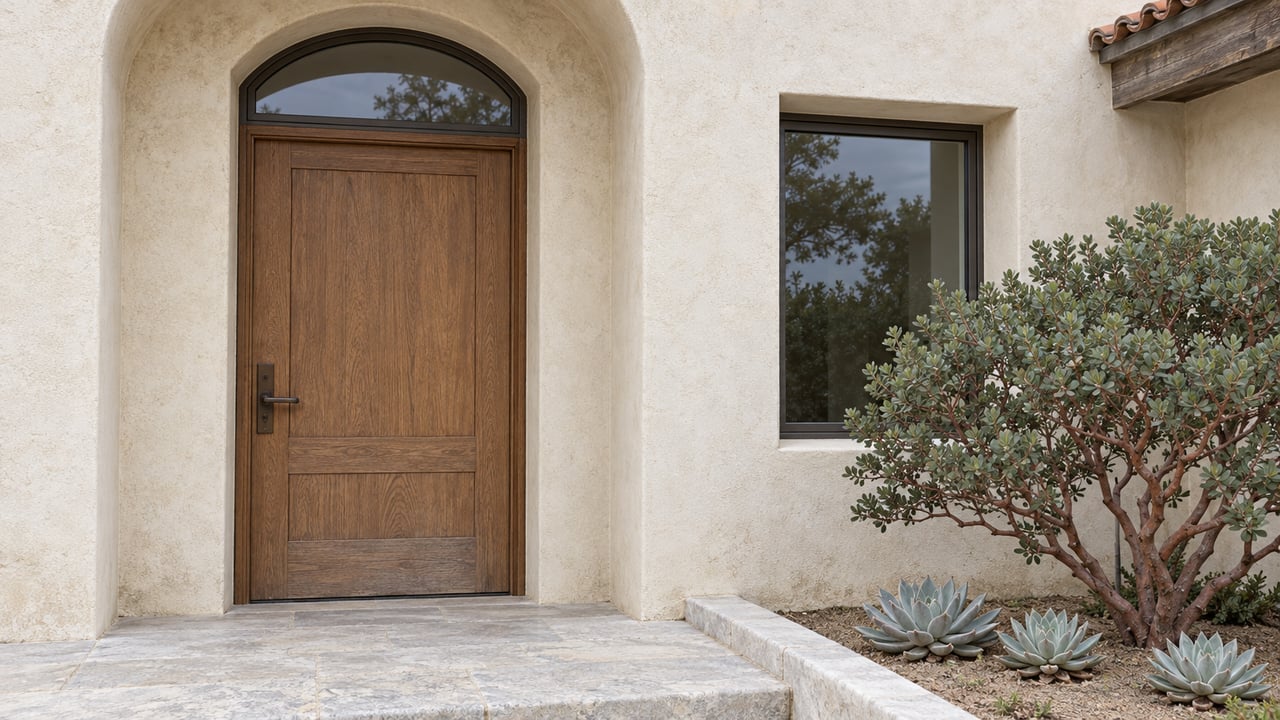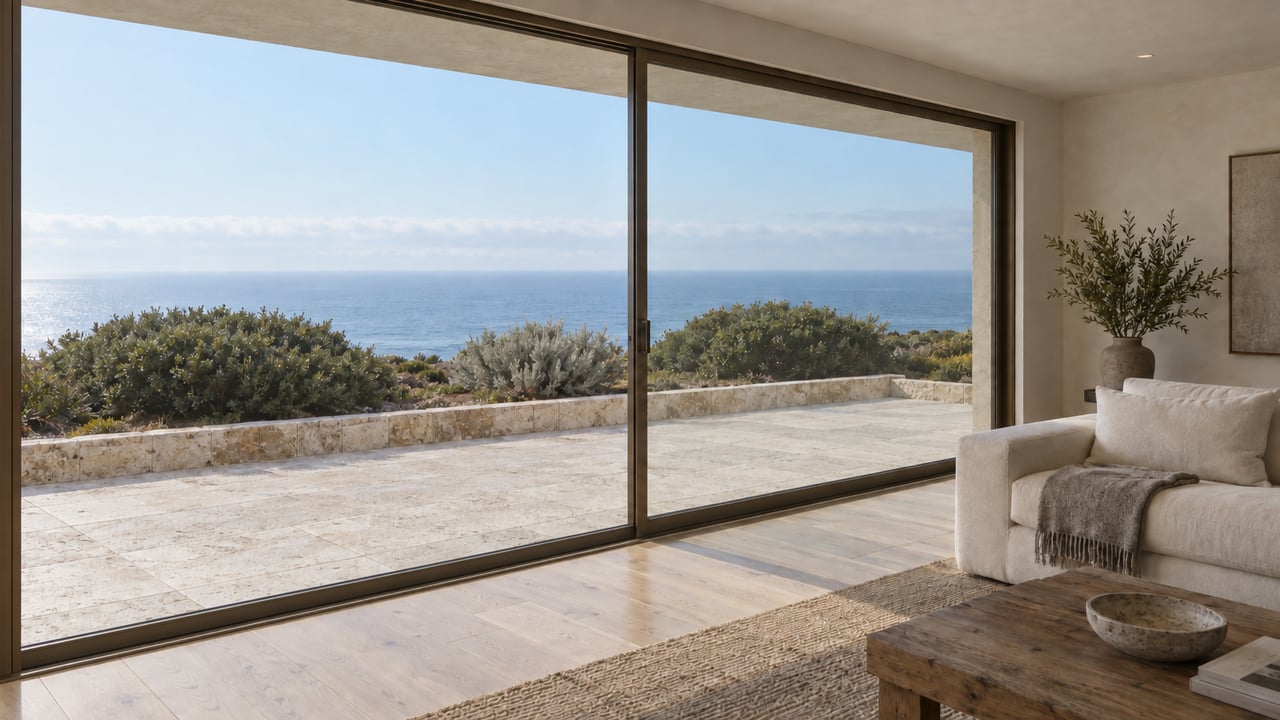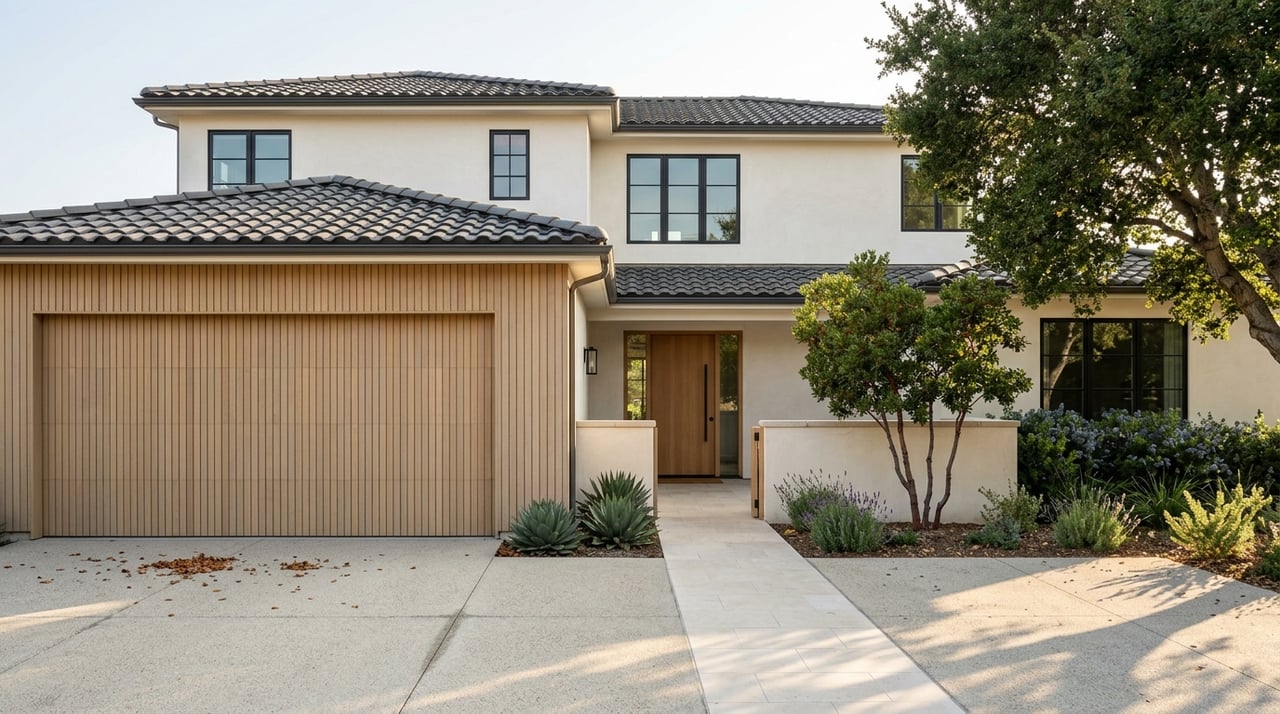
If you are hoping to buy a newer home in San Luis Obispo, you are looking in one of the city’s tighter and more selective corners of the market. Most of the city’s housing was built decades ago, so newer homes can stand out for their layout, planning, and low-maintenance appeal. The good news is that there are clear areas to focus on, plus a few practical tradeoffs to keep in mind as you compare options. Let’s dive in.
Why newer homes stand out in SLO
San Luis Obispo’s housing stock leans older overall. The city’s Housing Element shows the largest shares of homes were built in the 1960s, 1970s, and 1980s, while only 2% were built in 2010 or later.
That matters if you want features that many buyers associate with newer construction, like more contemporary floor plans, planned open space, and homes that may need less immediate updating. In San Luis Obispo, newer homes are not the citywide norm, so your search usually works best when you target the areas where recent development has been concentrated.
Where newer homes are concentrated
The city identifies the newest neighborhoods in the south and southwest areas of San Luis Obispo. In practice, that means many buyers start with the city’s specific-plan areas, including Avila Ranch, San Luis Ranch, Orcutt or Righetti Ranch, and South Broad.
These areas tend to offer a more planned feel than the historic core. Instead of a patchwork of older homes built across many eras, you are more likely to find neighborhoods shaped around parks, paths, mixed-use spaces, or coordinated streetscapes.
Avila Ranch
Avila Ranch is a primarily residential 150-acre project north of Buckley Road with up to 720 dwelling units. The plan also includes neighborhood-serving retail and office space, a neighborhood park, and preserved agriculture and open space.
For buyers, that can translate to a community designed with convenience and shared amenities in mind. If you like the idea of newer homes within a larger planned setting, Avila Ranch is one of the clearest places to start.
San Luis Ranch
San Luis Ranch is a 131.3-acre mixed-use plan bounded by Madonna Road, Dalidio Drive, and U.S. 101. It includes residential, commercial, office, open space, and agricultural components.
One notable detail is the smaller minimum lot size used in parts of the plan. The city notes a 3,200-square-foot minimum lot size there, compared with a more typical 6,000-square-foot low-density residential lot, as part of a strategy to reduce housing costs for starter housing.
For you, that may mean a newer home in a more connected setting, but often on a smaller lot than you would find in many older parts of town. That tradeoff can make sense if you value location, planning, and lower exterior upkeep over yard size.
Orcutt and Righetti Ranch
The Orcutt Area Specific Plan, at the base of Righetti Hill on the city’s southwest edge, calls for up to 979 homes plus parks, bike and pedestrian paths, and open-space protections. The city’s current Righetti Ranch Parks project also describes a new park system for the growing community, including a community park, pocket park, and linear park.
This area may appeal to buyers who want a newer neighborhood structure with built-in outdoor features. When you tour here, pay attention to how the parks, paths, and open-space elements fit your day-to-day lifestyle, not just the house itself.
South Broad
South Broad is one of San Luis Obispo’s clearest infill examples. The area plan calls for higher-density infill housing, mixed uses, walkable streets, and about 355 new dwellings over 20 years.
This area has a different feel from a large master-planned neighborhood. The plan describes it as an evolving corridor where historical dwellings remain alongside commercial, light industrial, and business uses, so buyers here may be choosing walkability and infill energy over a more uniform neighborhood layout.
What newer homes offer
Newer homes in San Luis Obispo often appeal to buyers for practical reasons as much as style. Depending on the area and property, you may find:
- More contemporary layouts
- Access to parks, paths, or open space nearby
- A more coordinated neighborhood plan
- Mixed-use convenience in certain communities
- Less immediate renovation pressure than some older homes
That said, “newer” does not always mean the same thing in every part of SLO. Some options are part of larger planned communities, while others may be infill homes in evolving corridors. Knowing which type fits your priorities can save you time.
Newer homes versus older character homes
One of the most important decisions in San Luis Obispo is not just where to buy, but what kind of home experience you want. Newer neighborhoods like Avila Ranch, San Luis Ranch, Orcutt, and Righetti Ranch are generally more planned and amenity-oriented, while older areas often offer architectural variety and deeper historical context.
The city’s historic districts highlight that contrast clearly. Downtown Historic District, Old Town Historic District, Mill Street District, and Railroad Historic District reflect some of San Luis Obispo’s older development patterns and period architecture.
If you are drawn to charm, custom details, or established streetscapes, older homes may be worth the extra upkeep. The city also notes that Monterey Heights became known for custom houses tied to post-World War II growth at Cal Poly, which makes it a useful comparison point if you appreciate custom-home character more than tract-style consistency.
Costs to compare before you buy
Budgeting for a newer home in San Luis Obispo takes more than looking at the list price. Current market snapshots place the city around the $1.1 million mark, with Zillow reporting an average home value of $1,100,490, Redfin reporting a median sale price of $1,075,606, and Realtor.com showing a median listing price of $1.15 million.
Neighborhood-level listing snapshots also give a rough sense of entry points. Realtor.com reports median listing prices of about $925,000 in San Luis Ranch, $985,000 in Avila Ranch, and $1.199 million in Orcutt. Because these are listing figures rather than closed-sale medians, they work best as directional markers, not exact value benchmarks.
Here is a simple way to think about the tradeoff:
| Home type | Budget focus |
|---|---|
| Newer home | Purchase price, HOA dues, possible special assessments, neighborhood rules |
| Older home | Purchase price, maintenance, retrofit work, design updates, possible review requirements |
For many buyers, newer homes may command a premium for planning convenience and location within newer communities. Older homes may shift more of your budget toward maintenance, seismic work, or improvements over time.
Questions to ask about ownership costs
Before you make an offer on a newer home, it helps to confirm the costs that do not always show up in the headline price. A home that feels move-in ready can still come with monthly or long-term expenses that affect affordability.
Ask about:
- HOA dues
- Special assessments
- Neighborhood-specific rules
- Expected maintenance responsibilities
- Any features shared with the broader community plan
The city’s broader housing policy also requires most new residential and commercial development to contribute to affordable housing or pay in-lieu fees, which reflects how growth is being managed locally. While that may not change your day-to-day ownership directly, it is part of the bigger context for how newer housing gets built in San Luis Obispo.
Why inventory can feel limited
If you have noticed that newer homes are not everywhere in SLO, there is a reason. The city says San Luis Obispo is mostly built out, even though it still has about 540 acres of vacant, underutilized, or blighted property that could accommodate roughly 3,155 dwelling units, much of it in San Luis Ranch and Avila Ranch.
The city’s 2025 General Plan Annual Report adds another important clue. It says 198 new homes were added in 2025, including 104 accessory dwelling units, and 2,183 units were added over the prior five years. That points to growth coming largely from infill and smaller-scale additions, not just from large waves of brand-new subdivision inventory.
For buyers, the takeaway is simple. If you want a newer home in San Luis Obispo, you usually need to watch the market closely, know which areas fit your goals, and be ready to compare a planned community home against infill options.
How to shop smarter for newer homes
The best newer-home purchase is not always the newest address. It is the home that fits how you want to live, what you want to spend, and how much upkeep you want to take on.
As you narrow your search, focus on these questions:
- Do you want a planned neighborhood or an infill location?
- Would you trade lot size for lower upkeep or a newer layout?
- Are parks, paths, or mixed-use amenities important to you?
- How much monthly cost are you comfortable carrying beyond the mortgage?
- Do you prefer a more uniform neighborhood feel or more architectural variety?
A clear answer to those questions can make your search feel much less overwhelming. In a market like San Luis Obispo, clarity often matters as much as speed.
If you want help comparing newer-home options in San Luis Obispo, local guidance can make a real difference. Darsie and John Cole bring deep Central Coast roots, thoughtful advice, and practical insight to help you evaluate neighborhoods, property types, and the details that matter before you buy.
FAQs
Where are newer homes located in San Luis Obispo?
- Newer homes in San Luis Obispo are generally concentrated in the south and southwest parts of the city, especially in areas like Avila Ranch, San Luis Ranch, Orcutt or Righetti Ranch, and South Broad.
Are newer homes rare in San Luis Obispo?
- Yes. The city’s Housing Element says only 2% of San Luis Obispo homes were built in 2010 or later, so newer homes make up a relatively small part of the housing stock.
What is the difference between newer and older homes in San Luis Obispo?
- Newer homes often offer more planned settings, nearby parks or paths, and contemporary layouts, while older homes may offer more architectural character, established settings, and in some cases added upkeep or review considerations.
What should buyers budget for with newer homes in San Luis Obispo?
- In addition to the purchase price, buyers should confirm HOA dues, possible special assessments, and neighborhood-specific rules, since those costs can affect the true monthly and long-term budget.
Are newer homes in San Luis Obispo mostly in master-planned communities?
- Many are in specific-plan or planned areas such as Avila Ranch, San Luis Ranch, and Orcutt, but some newer housing is also part of infill growth in places like South Broad.
Why does newer-home inventory feel limited in San Luis Obispo?
- The city is mostly built out, and recent housing growth has included a significant amount of infill and smaller-scale additions rather than only large new subdivisions, which can make newer-home options feel limited and competitive.